
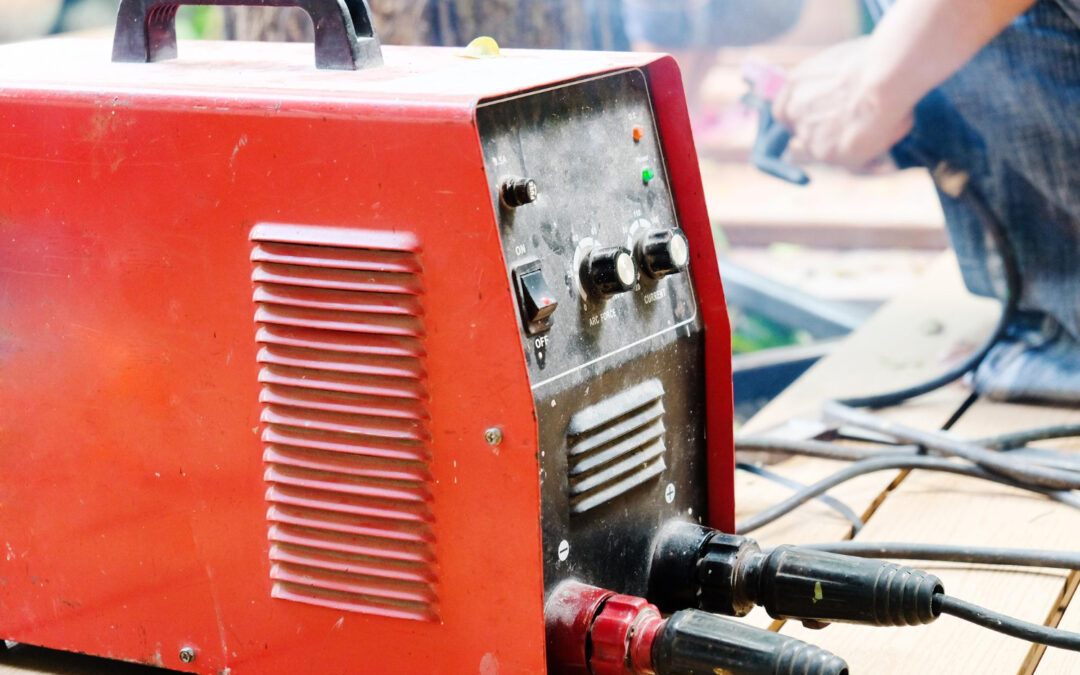
A welding machine that is only “kind of working” can seem good enough when the crew is hot, behind schedule, and trying to get one more pass done before quitting time. But when that machine quits in the middle of a big weld, everything stops. People stand around, tempers go up, and the schedule blows up. That is the real cost of skipping professional welding repair, and it hits safety, deadlines, and your budget all at once.
In this post, we want to break down what really happens when repairs get delayed, patched, or ignored. We will talk about hidden safety risks, how downtime stacks up during busy summer jobs, the quality problems that show up at inspection, and why having a trusted local repair partner in the DFW area keeps work moving when it matters most.
Protect Your Crew and Budget From Repair Shortcuts
On a Fort Worth job site in the August heat, everyone is pushing hard. Machines are hot, people are tired, and nobody wants to pull a welder out of service. So that strange smell, random arc flare, or flickering display gets brushed off as “we will deal with it later.” Then, at the worst time, it fails.
When a welding machine goes down suddenly, you do not just lose that one tool. You risk:
- A full crew waiting with nothing to do
- Inspection delays and rescheduled work
- Extra pressure on the rest of your equipment
We see this across construction, HVAC installs, plant maintenance, and fabrication around the DFW Metroplex. Skipping professional welding repair looks like a way to keep work going, but it often does the opposite. Taking the time to repair machines the right way helps protect your team, your schedule, and your reputation when summer projects peak.
Safety Risks Not Shown on the Price Tag
A welding machine can look fine from the outside and still be unsafe. Heat, dust, and heavy use on crowded job sites are tough on equipment. When repairs are skipped or done on the fly, hidden problems stick around.
Some of the risks include:
- Worn or damaged cables that can shock a worker
- Loose connections that can spark and start a fire
- Malfunctioning controls that cause arc flash hazards
DIY fixes often skip key checks like insulation tests, load tests, and a full inspection of connections and controls. A professional welding repair includes those steps. It is not only about getting the machine to turn on again. It is about making sure it runs safely under real job conditions.
If an uninspected or poorly repaired machine is tied to an incident, the cost is not just a broken part. Now you are looking at possible OSHA attention, company liability, injury reports, and internal reviews. What started as a “cheap and quick fix” can turn into paperwork, claims, and serious risk to your crew.
Downtime Costs That Crush Tight Summer Schedules
When a welding machine goes down without warning, the ripple effect is big. One broken machine can idle:
- Welders and helpers
- Fitters and layout crews
- Inspectors waiting to sign off
- Follow-on trades that cannot start until welding is done
During busy summer work, that kind of delay hits harder. Construction projects, plant shutdowns, HVAC changeouts, and repair jobs are often packed into tight windows. Every lost hour on a machine pushes other work back, and that pressure lands on supervisors, project managers, and the crew.
Professional welding repair helps control those downtime costs. A shop with local inventory, quick diagnostics, and the right parts on hand can get a machine back into service faster and with fewer repeat breakdowns. That means less scrambling for backup equipment, fewer do-overs, and a better chance of finishing phases on time.
Quality Problems That Hide Until the Inspection
Not every repair shortcut shows up right away. Sometimes the machine runs, but it is not running right. An out-of-calibration welder or unstable arc can cause:
- Weak welds that do not hold under load
- Porosity that is only noticed during testing or cutting
- Warping and distortion that throws off fit-up
Those problems often show up during inspection or later, when a structure or part is under stress. By then, the cost is much higher. You may be facing:
- Rejected welds and failed inspections
- Grinding and gouging to remove bad welds
- Refabrication of parts that no longer fit
- Extra filler metal, gas, and labor to redo work
A professional welding repair includes proper calibration and testing under load. The machine is checked so settings match what the display says, and the arc is stable and consistent. That protects weld quality and keeps your work passing inspection the first time.
When “Saving Money” on Repairs Actually Costs More
It is tempting to patch a machine just enough to keep it running. A quick DIY tweak or a general handyman fix can look cheaper than a full professional repair. But that short-term thinking often drives up long-term costs.
Here is how that happens:
- Small electrical issues are ignored until they damage boards or internal parts
- Poor cable repairs cause resistance that overheats guns and leads
- Misadjusted settings make you burn through tips, liners, and wire faster
Running a machine in poor condition wears out contact tips, liners, guns, and leads sooner than normal. That means more frequent part changes and more trips to restock. Over time, the machine itself can fail early, forcing a replacement before you have gotten your full use out of it.
Consistent professional welding repair helps extend machine life. When equipment is serviced correctly, it runs cooler, more stable, and more predictable. That makes it easier to plan consumable use, schedule downtime, and build more accurate job costs and bids.
Why a Local Professional Repair Partner Matters in DFW
Welding on a job site in Fort Worth or anywhere in the DFW Metroplex has its own challenges. You may be working on hot roofs, tight mechanical rooms, cramped plant spaces, or busy commercial jobs. Local conditions and local industries put specific demands on your gear.
Working with a nearby welding supply and repair shop means you get:
- People who understand common brands and machines used in this area
- Faster access to parts, leads, guns, and accessories
- Local delivery that keeps your crew moving when you are tied up on site
At Tarrant Welding Supply, we combine welding machine repair with access to machines, parts, industrial gases, and safety gear in one place. When a critical machine goes down in the middle of a rush project, getting quick diagnostics and real human support can be the difference between a small hiccup and a lost day.
Put Professional Repair on Your Pre-Failure Checklist
Waiting until a machine dies is one of the fastest ways to lose control of a project schedule. A better plan is to bring professional repair into your regular workflow before things fail.
A simple approach is to:
- List your highest priority welding machines and gather serial numbers
- Plan seasonal checks before busy summer work ramps up
- Build in regular inspections during slower weeks or shift changes
Making professional repair part of your normal routine helps you spot issues early, schedule repairs on your terms, and line up backup equipment when needed. For crews across Fort Worth and the wider DFW area, that means safer work, smoother inspections, and fewer surprises in the middle of a hot, busy project season.
Get Started With Your Project Today
If your equipment is showing signs of wear or failure, we are ready to help you get back to work quickly and safely. At Tarrant Welding Supply, our technicians provide reliable professional welding repair that keeps your operation running smoothly. Tell us what you are working on and we will recommend the best repair options or service plan for your needs. Reach out today through our contact page to schedule service or request a quote.